
A Secure Image - Based Graphical Password Authentication System
Keywords:
Graphical Password Authentication, Image-Based Passwords, User Authentication, Cybersecurity, Pattern Recognition, Image Sequence Matching, Click-Point Authentication, Password Encryption, SHA-256 Hashing, Brute-Force Attack Prevention.Abstract
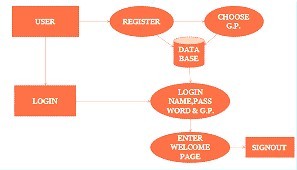
The project on "A Secure Image-Based Graphical Password Authentication System" introduces an innovative authentication system that replaces traditional alphanumeric passwords with graphical elements.[Ref 1] Leveraging the visual memory capabilities of users, this system aims to enhance security and usability in user authentication processes. A Secure Image-Based Graphical password authentication System is an innovative approach that enhances traditional text-based security systems by using images and patterns instead of alphanumeric characters. This project aims to develop A Secure Image-Based Graphical Password Authentication System using Java, where users select images or click on specific points within an image during registration, and must replicate this pattern during login. Such systems are less susceptible to brute-force attacks and more user-friendly, leveraging the natural human ability to remember visual clues. The proposed system not only improves security but also enhances usability, making it suitable for applications like banking systems, personal accounts, and secure portals where both privacy and convenience are crucial.
Downloads
Published
Issue
Section
License
Copyright of articles published in the International Journal for Interdisciplinary Sciences and Engineering Applications (IJISEA) belongs to the Journal upon acceptance and publication, in accordance with the applicable author copyright agreement.
Authors may reuse their published work for educational and non-commercial purposes, provided that the original publication in IJISEA is properly acknowledged and the applicable permissions are obtained.
Any commercial reproduction, redistribution, republication, or other reuse beyond the permitted rights requires prior written permission from the Editorial Office.
The journal provides open access to its published articles for reading and scholarly reference. Access to published content does not automatically grant unrestricted reproduction or redistribution rights.
All rights not expressly granted remain reserved by the Journal.
 DOI Find a publication by DOI
