
Intelligent Customer Segmentation And Lifetime Value Prediction Using Rfm Analysis And Machine Learning with KPI Dashboard Visualization
Keywords:
Customer Lifetime Value (CLTV), Customer Segmentation, RFM Analysis, K-Means Clustering, Machine Learning, Predictive Modelling, Streamlit DashboardAbstract
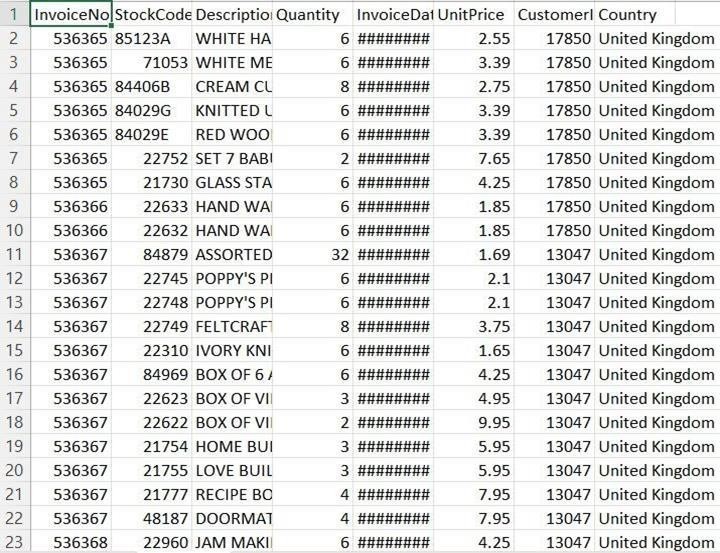
In today's competitive business environment, understanding customer behavior and predicting customer value are essential for effective marketing and business growth. This project focuses on Customer Segmentation and Customer Lifetime Value (CLTV) Prediction using data modelling techniques. The system analyzes customer transactional data using Recency, Frequency, and Monetary (RFM) analysis to evaluate customer purchasing behavior. Based on these features, KMeans clustering is applied to segment customers into different groups according to their value and activity patterns. Furthermore, a regression-based predictive model is developed to estimate the Customer Lifetime Value, enabling businesses to identify high-value customers and plan targeted marketing strategies. The system also includes an interactive dashboard developed using Streamlit, which allows users to visualize customer segments, analyze patterns, and predict CLTV efficiently. This approach helps organizations make data-driven decisions, improve customer retention, and maximize long-term profitability.
Downloads
Published
Issue
Section
License
Copyright of articles published in the International Journal for Interdisciplinary Sciences and Engineering Applications (IJISEA) belongs to the Journal upon acceptance and publication, in accordance with the applicable author copyright agreement.
Authors may reuse their published work for educational and non-commercial purposes, provided that the original publication in IJISEA is properly acknowledged and the applicable permissions are obtained.
Any commercial reproduction, redistribution, republication, or other reuse beyond the permitted rights requires prior written permission from the Editorial Office.
The journal provides open access to its published articles for reading and scholarly reference. Access to published content does not automatically grant unrestricted reproduction or redistribution rights.
All rights not expressly granted remain reserved by the Journal.
 DOI Find a publication by DOI
